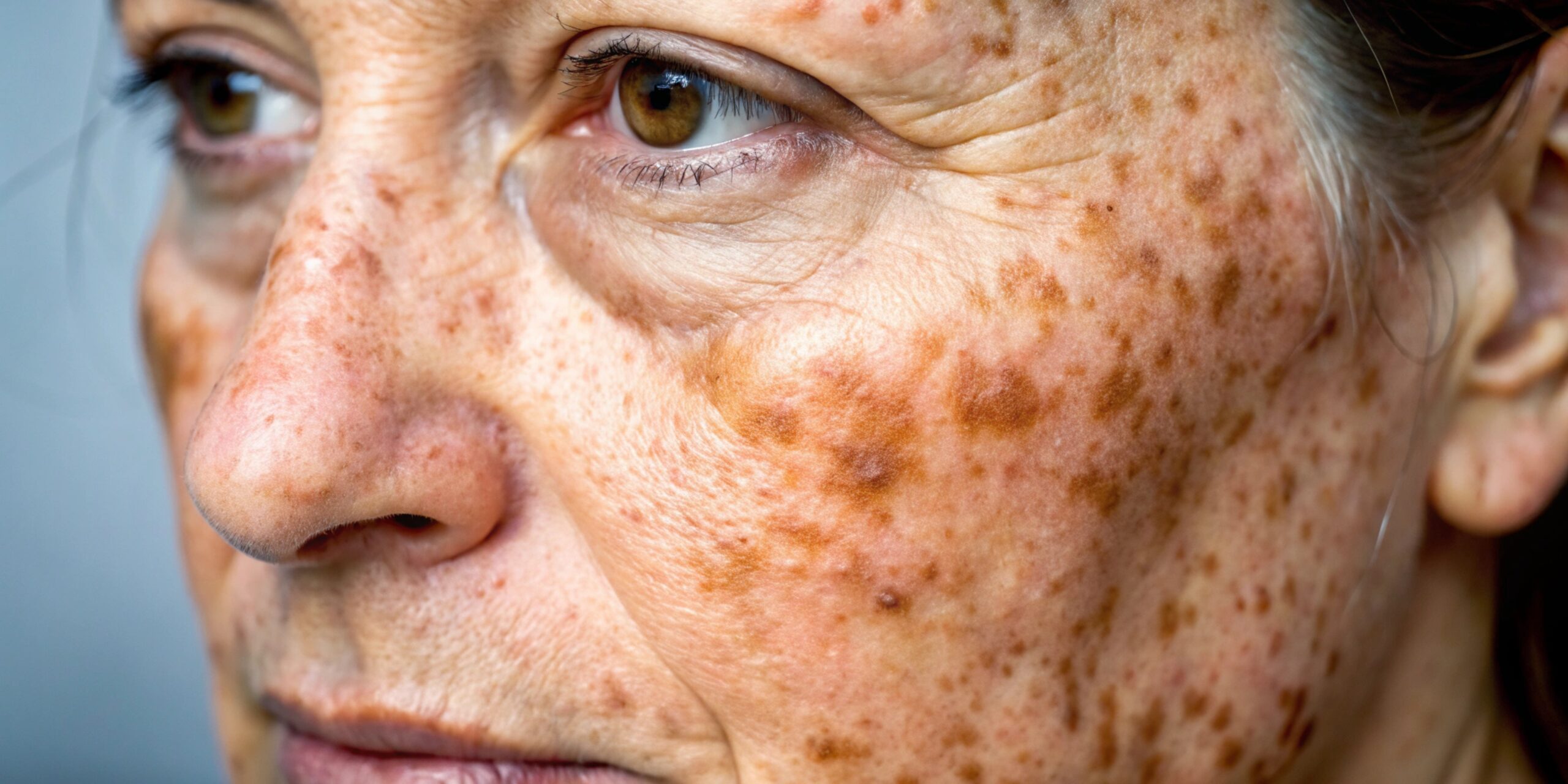
Seborrheic Keratoses: Tips For Handling While the exact reason stays unknown, researchers have found some essential findings. SKs appear to run in households, and it shows up that some people inherit a propensity to establish many SKs. Although these developments establish on both sun-exposed and non sun-exposed skin, some researches recommend that sunlight exposure might play a role. And while SKs might seem to multiply and spread to other locations, they are not transmittable. Elimination methods consist of cryotherapy, shave biopsy, curettage, and cautery. One of the vital https://unsplash.com/@eriatslffy aspects to note regarding seborrheic keratoses is that they are totally benign and do not have the prospective to turn into malignant lumps. This should supply confidence to those that might be worried concerning the long-term ramifications of these developments. Unlike other types of skin lesions, such as melanoma or basic cell cancer, seborrheic keratoses do not have malignant characteristics. Among the choices for treating seborrheic keratosis sores is cryotherapy, which entails cold the damaged area with fluid nitrogen. This cold procedure destroys the excess skin cells and permits much healthier skin to expand in its place. Clients can inform that they have seborrheic keratoses when they observe bumps that are either round or oblong in shape. These developments can either be level or domed, and in many cases, they can be as much as an inch in diameter. Having numerous seborrheic keratoses is common, specifically as you age. Nevertheless, seborrheic keratosis likewise shows up on skin that hasn't been revealed to the sun. Scientists aren't certain why some people get these growths, and others don't. What is clear is seborrheic keratosis is much more common with raised age. Distinguishing seborrheic keratosis from malignant sores is difficult without a skin cancer cells testing from a board-certified skin specialist.
Common Features Of Seborrheic Keratosis:
What takes place if seborrheic keratosis is left neglected?
Seborrheic keratoses are harmless and not contagious. They do not need treatment, yet you may choose to have them eliminated if they end up being inflamed by garments or you do not like just how they look.
- If you are unclear what sort of skin growth you have, see your doctor.A seborrheic keratosis is the most usual noncancerous tumor in older adults.Seborrheic Keratoses are triggered by an increase in the manufacturing of skin cells, including pigment cells.A hand rash, likewise called hand dermatitis or hand eczema, might be caused by many things.Skin specialists are particularly skilled at differentiating benign growths from skin cancer.
What Is The Overview For Seborrhoeic Keratoses?
Curettage, one more common treatment method for seborrheic keratosis lesions, involves removing the growth making use of a curette-- a little tool with a sharp side. The procedure starts with numbing the location to reduce any potential discomfort or discomfort. The dermatologist then meticulously scrapes away the lesion up until reaching healthy skin beneath. While this therapy alternative might cause some momentary inflammation or mild scarring, it is usually safe and effective for treating lesions. If you only have one CryoPen device visibible actinic keratosis, we might suggest elimination via freezing, light therapy, or a straightforward surgical procedure. An actinic keratosis or AK is a harsh, dry, flaky patch or growth that forms on the skin. An AK types when the skin is severely harmed by ultraviolet (UV) rays from the sunlight or indoor tanning. Seborrheic keratosis is a noncancerous skin condition that typically creates with age. Seborrheic keratoses primarily influence people older than 30. Some women notice that they develop them while pregnant or after taking estrogen. They are progressively usual in the later years of life. Although the reason for seborrheic keratosis is unclear, the developments tend to run in family members, recommending genetics contribute. Sunlight direct exposure additionally might affect where the developments establish. They have actually been reported to occur in individuals of every ages including kids as young as age 15 years. Familial situations of seborrheic keratosis (SK) have actually been described with an autosomal dominant inheritance pattern. Mutations of the fibroblast development aspect receptor 3 gene (FGFR3) and the genetics inscribing for phosphoinositide 3-kinase (PIK3CA) have actually been demonstrated in SKs. In addition to a hereditary tendency, independent danger factors consist of advancing age and ultraviolet light exposure. The classic summary of a SK is a slightly elevated papule or skin lesion (plaque) with a soft, friable, hyperkeratotic surface, or a macule with a great granular look.