Adipose Tissue Preserves An Epigenetic Memory Of Weight Problems After Weight Loss
According to one testimonial, 10 weeks of resistance training might raise resting calorie melt by 7% and reduce body fat by 4 extra pounds (1.8 kg). Doing weightlifting workouts or utilizing health and fitness devices are basic means to begin strength training. Over 60% of adults and near to 20% of youngsters in the United States are overweight or overweight (1,2). Weight reduction strategies are just transiently effective for lots of people, as the huge majority of individuals that try to slim down are not able to achieve and maintain a 10% decrease over a year (3 ).Epigenetic Obesogenic Memory In Mice
- Otherwise restored, we thought about a DEG part of a transcriptional memory.Over 60% of grownups and close to 20% of children in the USA are overweight or overweight (1,2).F, Characteristics of differentially H3K4me3-marked marketers (y axis) from H to HC.He likewise holds a Masters Level in Public Wellness from Tulane.
Value in between T0 and T1 for e-f was calculated utilizing paired numerous Wilcoxon tests with Benjamini, Krieger and Yekutieli message hoc test for several comparisons. A, b, Cluster pens utilized for annotating cell collections in human omAT of the MTSS (left) and LTSS (right) study. C, d, UMAP visualization standing for omAT pools from the MTSS study (c) and LTSS study (d) coloured by predicted cell subtypes from the Emont et al. natural AT dataset from Caucasian people. Function plots revealing recommendation mapping scores showing just how well omAT dataset maps to the Emont et al. dataset.
A primary professional goal in handling excessive weight is to accomplish significant weight management (WL), commonly through strenuous nutritional and way of living treatments, pharmaceutical treatments or bariatric surgical procedure (BaS) 2. Methods relying on behavioural and dietary changes often only cause temporary WL and are prone to the 'yo-yo' impact, in which individuals gain back weight over time3,5,6. This persistent pattern Cosmetic Dermatology may be partially attributable to an (obesogenic) metabolic memory that persists even after remarkable WL4,7,8,9,10 or metabolic improvements11,12,13. Undoubtedly, lasting phenotypic adjustments from previous metabolic states, that is, metabolic memory, have actually been reported in computer mouse adipose tissue (AT) or the stromal vascular portion (SVF) 14,15,16, whereas in liver these were reversible15,16,17. Persistent changes after WL in the immune compartment18, and transcriptional and functional memory of excessive weight in endothelial cells of numerous organs19,20,21,22, have likewise been reported.Expanded Data Fig 5 Weight Reduction Mostly Resolves Obesity Generated Physical Modifications In Mice

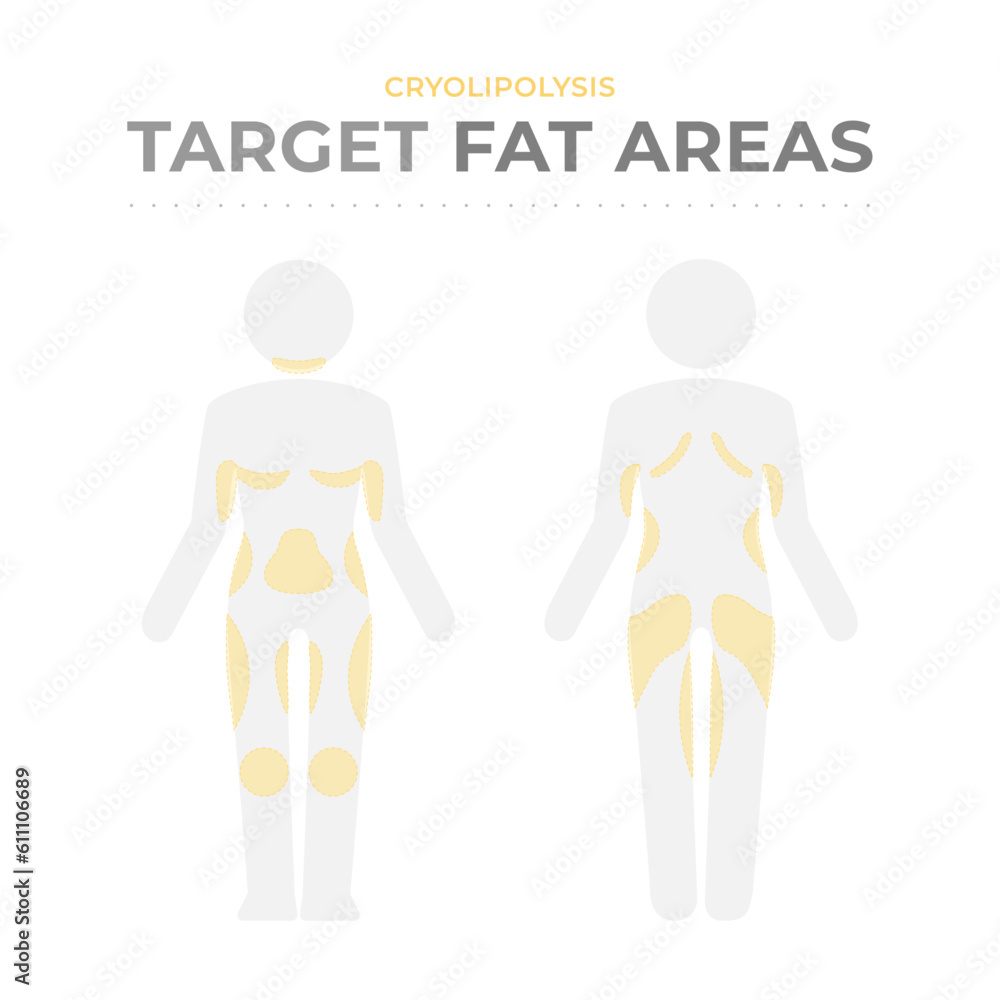
That is one reason numerous people do not observe the final change promptly after a CoolSculpting session or comparable consultation. That question becomes even more common when someone has been discouraged by stubborn areas such as the abdomen, outer thighs, or bra fat. These are locations where existing fat cells may seem resistant, even when the patient preserves solid, g healthy habits. These 2 hormonal agents are much more powerful than self-control, more powerful than self-control, and a true "dieter's headache"! These hormonal agents have to be handled long-term for weight loss and weight maintenance.Trafficking of absorbed nutrients (glucose, Glu; totally free fatty acids, FFA; triglycerides, TGs) to and from blood circulation is shown for both postprandial and post-absorptive metabolic states (blue arrows). Enhanced nutrition clearance decreases postprandial trips in Glu and TGs and potentiates the postprandial reductions of FFAs, which might also communicate a signal of nutrient deprival to the brain. The minimized metabolic mass, improved metabolic efficiency and lower thermic Cosmetic Clinic result of food add to the reductions of energy expense (dotted black lines). A huge energy void is developed between cravings and expense, and food intake have to be cognitively (in humans) or forcefully (in pets) limited to keep the lowered weight.